
Meet The Manager
Q4 2024 – Venture Warriors Newsletter

Donald Ward (Founding / Managing Partner)
Firm & Fund Facts:
Firm Name: Ward Capital
Contact Person: Donald Ward
Location: Johannesburg, South Africa
Current Fund: FutureTech Fund 1
Fund Launch: August 2024
Fund Focus: African Startups, African Founders, Seed to Series A
Fundraising: Yes
Target Close Dates: December 2026
Target Fund Size: $30m
Deploying Capital: Yes

Website: https://wardcapital.vc
Manager Deep Dive:
- What was your journey into VC / what led you to VC?
My path into venture capital has been shaped by a deep-seated belief in the power of technology to transform lives, particularly in emerging markets like Africa. Early in my career, I was exposed to the tech scene, both locally and internationally, and it became clear to me that Africa, despite its challenges, holds enormous innovation potential.
While building my previous startups, I saw firsthand the gap between African entrepreneurs’ potential and the capital required to bring their ideas to market. That inspired me to launch Ward Capital, with a vision of bridging that gap by focusing on startups that are solving local problems with innovative technology but also can scale globally. My goal is not just to invest Capital, but to foster growth in sectors that could bring meaningful impact to the African economy, positively impact lives across the continent, and improve the world.
Venture capital, to me, is not just about financial returns; it is about being a catalyst for transformative change.
2. Can you tell us more about Ward Capital’s fund strategy?
Ward Capital’s strategy is built around a forward-looking vision, focusing on innovative information technologies shaping the future.
With our FutureTech Fund 1, we aim to back companies leveraging breakthrough technologies like artificial intelligence, Fintech, Biotech and hardware solutions, particularly those addressing problems relevant to Africa and other similar markets.
Our investment approach targets Seed and Series A startups that are not only innovating within their sectors but also have the potential to scale beyond their home markets.
We look at industries poised for rapid growth, including financial inclusion, health tech, and renewable energy. The geography of our investments is largely pan-African, but we maintain a global outlook, seeking companies that, while based in Africa or serving African markets, can expand internationally. Our goal is to enable these companies to solve real-world problems in a scalable, profitable, and sustainable way.
3. How does your fund strategy differentiate you as a GP from several other Africa- focused managers?
What truly differentiates Ward Capital is our commitment to the future, We are not only focused on the present opportunities but also on what’s coming next, while many Africa-focused funds concentrate on sectors that are hot right now, which are certainly important.
However, we’re looking further ahead, aiming to back the next generation of software and hardware technologies and innovations that have the potential to leapfrog existing solutions.
Our FutureTech Fund 1 is focused on technologies that are often overlooked or deemed too early in the African context, we believe these are the areas where the greatest opportunities lie. In addition, while we focus on Africa, we bring a global perspective, understanding that the innovations emerging from the continent can and should compete on the world stage.
Our ability to blend deep local insights with international reach allows us to create unique value for our portfolio companies, helping them navigate the regional and global markets effectively.
4. How do you approach selecting startups to invest in?
At Ward Capital, our investment process is rigorous, but we are flexible in our approach to selecting startups.
First and foremost, we look for founders with a clear vision and a strong understanding of the markets they are entering. We want to see a blend of technical expertise and entrepreneurial spirit, founders who are not only capable of building a great product but also have the strategic insight to scale it.
We also place a high value on scalability; a product might work well in a single market, but can it be adapted to different geographies and customer segments?
In Africa, scalability is key because markets are often fragmented, and businesses need to adapt to varying regulatory and economic conditions.
Our focus is on startups pushing the envelope in terms of innovation. Whether they are building new financial infrastructures, advancing health tech solutions, or utilizing AI to address inefficiencies, we want to see companies pioneer in their sectors. Equally important is the resilience and adaptability of the founding team, as we know that the journey to success in this region can be fraught with challenges.
5. What is one piece of advice you would give to aspiring VC managers?
The most important advice I can share is to stay relentlessly curious and adaptable. The venture capital landscape is evolving at an unprecedented rate, especially in emerging markets like Africa, where innovation is accelerating. Being able to foresee and adapt to changes in the market is crucial.
At the same time, it’s important to have a strong investment thesis; and know what you stand for and what you are trying to achieve with your fund.
Building relationships is another key element; VC is a long game, and it takes time to build a strong network of founders, investors, and ecosystem players.
Lastly, focus on long-term value. While it’s tempting to look for quick wins, the most successful VC managers are those who back founders for the long haul, supporting them through the ups and downs and helping them build truly transformative companies.
Q1 2024 – Venture Warriors Newsletter

Eunice Ajim (Founding / Managing Partner)
Firm & Fund Facts:
Name of Firm: Ajim Capital
Where Firm is Based (city & country): Austin, TX & USA
Fund name: Ajim Capital Fund I
When Fund Was Launched: January 11th, 2022
Fund Focus / Theme: Africa-focused pre-seed & seed VC fund
Fundraising? : Yes
Target Close Date: June 2024
Target / Current Fund Size: $10M
Deploying capital? : Yes

Website: https://www.ajimcapital.com/
Manager Deep Dive:
1. What was your journey into VC / what led you to VC?
I’m originally from Cameroon and always knew growing up that I wanted to be an entrepreneur. I moved to the United States 12 years ago as an International student. While in school, I started a few businesses to help pay for my education in the US. My dad told me I was on my own after sending me to pursue an education.
After graduation, I got my first job at Apple, but very early on, I realized that the corporate America 9-5 life was not for me, so I quit that job and decided that I wanted to be an entrepreneur, this time it had to be a tech company because that’s what all the billionaires I knew of were doing (Hi Uber and Airbnb).
Like these marketplaces, I built mine to bridge the gap between data science professionals and SMBs. I called it DataGig because the GIG economy before the pandemic was already sexy. 🙂 Unfortunately, as many founders realize after launching their company, it’s not easy. You have to build a product that has never been built before, find customers, attract the right team members (with no money), and even convince crazy investors to invest.
Before you realize it, the road becomes long and lonely. I became homeless, my car was repossessed, I lost many friends, and I had to think outside the box to survive. But I didn’t give up; I woke up every day, put my make-up on, wore my suits (yes, I didn’t start wearing cool suits today), took the bus, and showed up!!
I found an investor who believed in me, saw my potential, and asked me to join him on a new adventure. This was the turning point for me, another startup with experienced co-founders, where I learned how to build a scalable startup. In two rounds, we raised significant VC funding and grew the company to multi-million dollars in revenue.
But then, in 2020, when the pandemic hit, layoffs happened, and no one wanted to return to work, I convinced my co-founders to hire software engineers in Africa. With a lot of doubt, they agreed, and I found the engineers. When we brought them on board, we faced other challenges like payroll and cross-border payments. I began asking myself, there must be a better way to work with our employees on the continent, and I started looking for solutions to fix the problems.
The more I looked, the more I got plugged into the African tech ecosystem and started angel investing. When I spoke to founders, they always complained about the lack of funding across the startup ecosystem. I have always had 100 ideas on how to impact Africa, but I always knew there was no way I would ever build all those companies myself. After digging and realizing there weren’t many investors investing in Africa, I made it a mission to bridge that gap between access to funding in Africa and the rest of the world (mainly the US). Crazy Eunice then launched a VC fund to invest in these companies.
2. Can you tell us more about Ajim Capital’s fund strategy? (Focus areas – incl. stage / sector / vertical / geography / etc.)
Ajim Capital is a VC fund focused exclusively on backing the best African-focused tech companies at the pre-seed and seed stages. Our mission is to support the brightest African founders in launching and scaling their startups, creating the next generation of successful companies that compete on a global scale while massively changing the lives of Africans. Although there has been significant growth in the African startup ecosystem, funding opportunities remain limited. We launched the fund to support early-stage B2B/B2B2C software companies operating in billion-dollar markets with the potential to become unicorns.
Ajim Capital only invests in proven business models. Our investment process is guided by our in-house, proprietary database that includes over 300 business models that delivered over $388B in value in China, India, and Latam with the highest probability of success in the African market. We find and invest in the best companies in Sub-Saharan Africa, building these businesses.
Sector: We invest in asset-light B2B/B2B2C tech and tech-enabled software companies across 8 verticals: FinTech, HealthTech, EdTech, Logistics, Mobility, Marketplaces, B2B SaaS, and AgriTech
Geography: Sub-Saharan Africa
Stage: Pre-seed and Seed
3. Over and above the technology/solution behind the startups you back – what would you say is the next best determinant of success you look for in African startups?
Our investment pillars consist of what we like to call the 5 T’s.
Team: Solid founders who are committed to the startup and each other. They have the background, experience, specialization, skills, and desire to execute their vision.
Temperament: It’s not enough to have a great team. They need the temperament to attract, hire, train, and retain great people. This includes co-founders, investors, talent, and partners.
Timing: How large is the market they’re serving and is the timing right? Do they have the right team with the temperament to capitalize on this market opportunity?
Technology: Regardless of what the product/service is, is it a good offering that solves an urgent market problem (people have it now), pervasive (lots of people have it), and valuable (they will pay to solve it)?
Traction: They need to show initial indications of product-market fit that generates at least $5k – $10k/MRR at a 10% MoM (Month over Month) growth.
4. Can you share some lessons you’ve learned marketing an Africa-focused VC fund & startups to U.S LPs? (do you think their perception of investing in Africa is changing for the better?)
Marketing an Africa-focused VC fund to US LPs has advantages and challenges. Whenever we closed an LP, I asked them why they decided to invest with us. Here are some of the responses:
– We stood out because we have a differentiated strategy they don’t get to see often as we target proven business models across the African market. Investing in Africa offers several advantages, mainly because most tech challenges have already been addressed in developed markets.
– Over 80% of our current LPs found out about us online. We’ve built one of the largest audiences online around investing in and building successful African startups (500K monthly views and 100K+ followers across all platforms). They appreciate that we’ve set ourselves as experts in the industry regarding investing in Africa.
– Many of them were looking for opportunities to diversify their portfolio either from a fund size (< $10M or boutique fund), Geography (Emerging markets), gender-lens (Women-owned fund), or racial (Black GP).
But it also comes with its challenges. We have reached out and spoken to over 2000 LPs in the last 2 years, and here are some of the reasons we didn’t make the cut, but we believe a lot of these reasons would change over the next few years:
– One of US LPs’ biggest and most common responses is that they typically don’t have an African strategy. As fund managers, we all have our thesis, and changing those strategies is usually challenging. When we hear those reasons, we typically try to understand what they’ll need to see to consider adding Africa as a strategy in future funds. Many are very open to the idea and believe there are great up-and-coming opportunities in the African market.
– The second biggest reason is the lack of exits from startups in the African market and a clear understanding of how they’ll get a significant return on their investment if they invest. There are substantial exits across the African market than people are aware of, typically through M&As. The estimated value of M&As in the African market between 2021/22 was $97.8B. Also, it’s essential to understand that funding in African startups is still reasonably early, and it takes 7 to 10 years to see ROIs.
– Last but not least, we’re still a relatively new fund with a limited track record, and that’s understandable. Also, we’re raising a small fund, and many US institutional LPs would only consider your fund if you’re raising at least $50M. For this reason, the majority of our LPs are HNWIs, small family offices, and funds of funds.
5. How beneficial has your fund structure (as a 506 C fund) been in your fundraising and marketing efforts? (i.e. Would you say it’s a better way than the opaque way VCs usually raise funds)
As I mentioned in my previous statement, over 80% of our current LPs found out about us online. If it weren’t for our fund structure as a 506 C, we wouldn’t be able to promote our fund the way we do. I’ve realized over the years that many people get turned off by cold emails. People are more careful when making introductions to their networks, especially when it involves LPs. If you were like me when I got started, where I had no Ivy League degree, wealthy family, or VC/PC experience, then launching a 506c might be a better approach than the traditional VC fund. Here are some of the benefits:
– We get to make it easy for LPs to connect with us by having an “Invest with Us” call to action on our website.
– We have done many press releases on notable PR platforms like Forbes, CNBC Africa, and Yahoo Finance, among many others, where we have specific calls to action for LPs to reach out.
– We share a lot of content across all our social media platforms, which include Newsletters, podcasts, YouTube Channels, LinkedIn, X, Instagram, and even TikTok. Audiences are the new money; you never know who your content will reach.
6. Gender imbalance remains a key issue in VC – as a female GP, do you have any views on how we can ensure more VC dollars get to more female-founded startups – esp. in Africa, where women own the majority of small businesses?
I hate when people ask me gender-lens questions because the answer is pretty straightforward: Invest in more female GPs and founders.
Q3 2023 – Venture Warriors Newsletter

Sewu-Steve Tawia (Founding / Managing Partner)
Firm & Fund Facts:
Name of Firm: Jaza Rift Ventures
Where Firm is Based: Nairobi, Kenya & Accra, Ghana
Fund Name: Jaza Rift Pioneers ($5M)+ Jaza Rift Fund I ($50M)
When Fund Was Launched: Pioneers (2022), Fund I (2024)
Fund Focus / Theme: Healthcare (healthtech, medtech, biotech)
Vertical: Access to affordable, accessible and quality healthcare
Geography : Pan-African, with Egypt, Kenya, South Africa, Nigeria as primary focus. All others as secondary focus.
Stage: Pre-Seed, Seed & Seed Extension
Fundraising: Yes
Target Close date: Pioneers – Q4 2023
Target / Current Fund Size: Pioneers: $5M target (Max: $10M)

Website: https://www.jazarift.vc/
Manager Deep Dive:
Venture Warriors (VW): What was your journey into VC – i.e what led you to VC?
Sewu-Steve Tawia (ST): I have gone from consulting to fund of funds to angel to VC! I have over 20 years experience in Europe and Africa across private equity & venture capital, and impact investing.
VW: Please tell us a bit more about your role as Managing Partner at Jaza Rift Ventures and a bit more about the rest of the GP team?
ST: As the GP I do everything from fund structuring, fundraising, deal sourcing, execution, portfolio management to value creation. Impact measurement and management, risk management, exit preparation
We have another team member, an Analyst who looks at deal sourcing, documentation, market research. We also work with Villgro Africa a healthcare incubator partner.
VW: How does your fund strategy differentiate you as a GP amongst several other Africa focused managers?
ST: We focus on the healthcare sector – specifically on healthtech, biotech and medtech sectors in Africa. I think this sets us apart from many other generalist funds.
Q2 2023 – Venture Warriors Newsletter
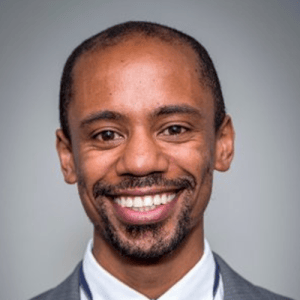
Thaheer Mullins (General Partner)
Firm & Fund Facts:
Name of Firm: Savant
Where Firm is Based: Cape Town, South Africa
Fund Name: Savant Venture Fund I (SVF1)
When Fund Was Launched: 2019
Fund Focus: Industry-agnostic, early stage, hardware technology companies
Stage: Pre-Seed & Seed
Fundraising: SVF1 is currently closed

Website: https://www.savant.co.za/
Manager Deep Dive:
1. Venture Warriors (VW): What was your journey into VC / what led you to VC?
Thaheer Mullins (TM): My journey into VC has been one of discovery. It started with my MBA in 2016 where I took to finance and innovation. Almost immediately thereafter, I joined Savant’s incubator as an intern as way to apply my skillset in real world contexts. I learned and grew as our organisation and portfolio grew. Eventually, we raised a fund, primarily to accelerate our early-stage incubator portfolio. I then formally joined the world of VC.
Manager Deep Dive:
2. VW: Please tell us a bit more about your role as Partner at Savant and a bit more about the rest of the GP team?
TM: I became a partner in September 2022. I’ve been with the company for 6 years now. I’m great with people and business development, so that’s the hat I wear. The other partners are scientists and engineers with MBAs with early-stage exposure ranging from 10 to 19 years. They bring a wealth of knowledge from building companies from formation to IPOs, exits, industrial project execution and investment banking. The common thread amongst us is the MBAs we received from UCT’s Graduate School of Business and our love for early stage challenges. We complement each other quite well as a team.
3. VW: Can you tell us a bit more about the Savant Venture Fund: Focus areas (incl. stage / sector / vertical / geography / etc.)
TM: Savant’s focus is on pre-seed and seed stage hardware technology startups. We’ve historically had a South African base, but are adopting a pan-African view. As a start, we’ve got a Namibian startup in our incubator portfolio with some South African founders and are looking to fund them once they’ve incorporated locally. We see lots of strong opportunities outside of South Africa, but still on the African continent.
4. VW:How does being linked to your own incubator at Savant add value / differentiate you as a GP?
TM: The incubator is a great source of promising pipeline. In some instances, it helps us get first rights to invest in companies. In most instances, it’s an opportunity to really get to know the entrepreneurs and the unique operating contexts that they face. We interface with and trust the incubation team, so we see it as a deep due diligence that would otherwise be impractical. They know what we need to fund the companies and can build towards that.

